
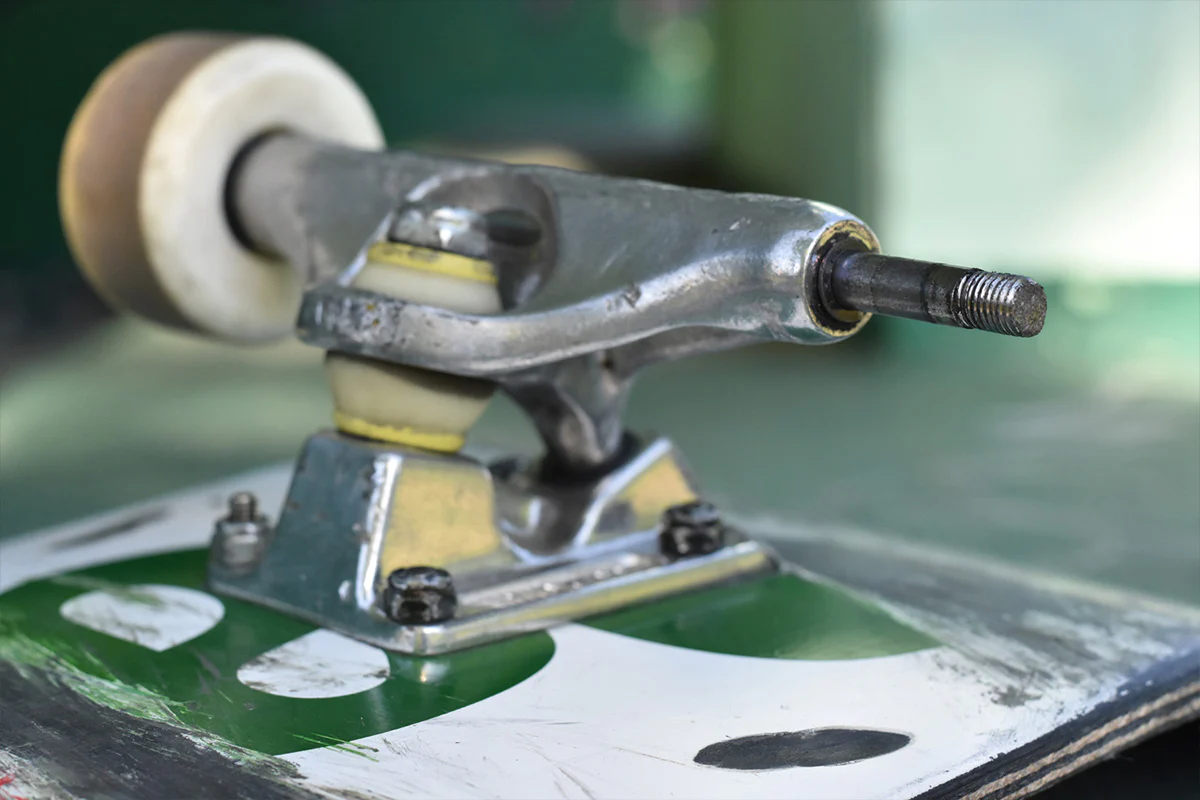
Nothing kills the skateboarding vibe quite like a pesky wheel problem. Getting back to enjoying those smooth rides is a top priority, and dealing with issues promptly can save your session.
Whether it’s cracks or chips making themselves known, staying on top of skateboard maintenance will help keep those wheels rolling without a hitch.
Start by checking for visible cracks and ensuring the bearings and axles are in good shape.
If you spot any significant damage, it may be time for some wheel repair or even a bearing replacement. Taking a moment to assess the situation can make all the difference and let you jump back into action with the right skateboard tools for maintenance, wheel repair, bearing replacement, and wheel alignment.
Identifying Common Wheel Issues
Hitting the pavement on a skateboard should be all about enjoying the ride, but sometimes pesky issues pop up that can break the vibe. Wobbly wheels can transform a smooth glide into a nerve-wracking experience.
It’s essential to keep an eye on your skateboard parts to maintain that enjoyable flow.
Flat spots can sneak up on you too—if your wheel is thumping or feels rough, it’s a strong hint that it’s time for a closer inspection.
Regular wheel tightening and maintenance practices can fend off these annoyances before they derail your fun. Catching these signs early means you’ll keep rolling at your best with well-maintained skateboard parts, regular wheel tightening, and timely wheel replacement, enhancing your overall performance and enjoyment on the board!.
Essential Skateboard Tools Needed
If you’re looking to keep your skateboard rolling smoothly, having the right tools on hand is a must. A handy skate tool can really streamline your setup.
This compact gadget allows you to make adjustments to your trucks or swap out wheels without breaking a sweat.
Plus, don’t forget a solid wrench; it’s perfect for tightening wheel nuts and keeping those pesky surprises away while you ride.

Now, maintenance is key, especially when you want to extend the life of your setup. A good lubricant is great for eliminating those annoying squeaks, while sandpaper or a file will come in handy if your deck has any rough patches that need smoothing out. Staying prepared means your board remains in top shape, ready for the next session, with fresh bushings, new grip tape, finely-tuned skate bearings, and a solid skateboard assembly.
| Essential Tools | Purpose |
|---|---|
| Skate Tool | Streamlines adjustments to trucks and wheels |
| Wrench | Tightens wheel nuts to prevent surprises |
| Lubricant | Eliminates squeaks for a smoother ride |
| Sandpaper/File | Smooths out rough patches on the deck |
How To Replace Skate Bearings
If you’ve been feeling like your ride is less smooth than it should be, it might be time to dive into some maintenance. Skate hardware plays an important role in how well you glide, and those little components can make or break your performance enhancement.
Let’s walk through the process of swapping out those bearings.
Grab your skate tool and get ready to enhance your skateboard setup!
Start by removing the wheel from your skateboard.
Use your trusty skate tool to unscrew the axle nuts, and once the wheel is free, gently pop out the old bearings with a flat tool or your fingers. Now, this is where the magic happens—time to install the new bearings. Make sure to select high-quality axle hardware for your skateboard setup to enhance performance with the right skate tool.
Techniques For Wheel Alignment

Getting your skateboard wheels just right can really enhance your ride smoothness. Start off by making sure your wheels are straight, as this simple check can make a world of difference in handling.
A quick way to test is to roll your board on a flat surface.
If it tends to veer to one side, it’s a clear sign you need to make some adjustments.
Keep in mind, different wheel types and sizes can impact how well your setup performs, so think about the fit when you’re swapping out wheels. With the right tools, such as a wrench, adjusting those axle nuts is straightforward; just be careful not to over-tighten, as it can create other problems.
Regular checks are key for skateboard safety and keeping everything running smoothly. After you’re done with this, you should visit a skate shop to discuss ride smoothness, wheel types, and wheel durometer for optimal skateboard safety.
Skateboard Wheel Adjustments
- Properly aligned wheels improve handling and ride smoothness.
- Different wheel types and sizes affect performance and fit.
- Regular maintenance of axle nuts prevents potential issues.
- Consulting with experts at a skate shop can provide valuable insights on wheel selection and safety.
Tips For Tightening Skateboard Wheels
Getting your skateboard wheels dialed in can make a world of difference in your ride. Check Your Tools: Make sure to use a wrench or socket that fits the axle nuts snugly.
If you want to step up your DIY skateboard game, a skate tool can be a total game changer!
Tighten with Care: Aim for that sweet spot—too loose and you’ll feel the wobble, too tight and it can mess with your glide.
Pro tip: If you can wiggle the wheel slightly, you’re likely in a good spot.
These maintenance tips are perfect for reducing rolling resistance and boosting your performance wheels. As you get to grips with these techniques, you’ll find that mastering maintenance tips for your DIY skateboard will significantly improve rolling resistance, enhance performance wheels, and optimize speed bearings.
Understanding Wheel Durability And Types
Finding the right wheels can drastically enhance your skating experience. Have you ever wondered what lends some skateboard wheels their toughness? The secret lies in their material and how they’re built.
A solid pair of wheels can stand up to tricks and various skating techniques without wearing down too soon.

When you examine wheels, keep durometers in mind; they measure the hardness of the wheels.
Softer wheels are great for grip, making them perfect for rough surfaces, while harder wheels allow for smoother slides during tricks. The shape and size of wheels play a role too, catering to different styles like street skating or vert.
Grasping these elements can elevate your entire skateboard lifestyle. Don’t skip out on mastering your skating techniques, practicing tricks, embracing the skateboard lifestyle, following the maintenance checklist, and avoiding road rash.
Skateboard Wheels
- The durometer scale ranges from 78A (soft) to 101A (hard), influencing grip and slide performance.
- Softer wheels (78A-87A) are ideal for rough terrains, providing better shock absorption.
- Harder wheels (88A-101A) are preferred for smooth surfaces and performing tricks due to their slide capability.
- The diameter of skateboard wheels typically ranges from 50mm to 60mm, affecting speed and maneuverability.
When To Consider Wheel Replacement
Ever noticed your skateboard just isn’t cruising like it used to? It could be a sign of wheel issues creeping in. Flat spots are often the first indicator, and they can really affect your ride quality and overall performance optimization.
If you start spotting cracks or excessive wear, it’s best to act quickly.
The frequency of use matters, too—daily skaters are likely to see a need for replacement sooner.
Rough terrains can wear down wheels much faster, impacting their grind ability. Keeping an eye on these problems is key to ensuring long-lasting wheel durability and achieving smooth rides in the future.
Now, if you’ve been skating hard, it’s important to regularly check in on your gear. Just like performance optimization, wheel durability, wheel hardness, grind ability, and wheel issues are critical factors in achieving efficient and effective grinding processes.
Maintaining Your Skateboard For Longevity
Your ride’s quality can often depend on how well you take care of your board. Keeping everything in shape isn’t just to look good; it’s about ensuring a smooth experience.
It’s a good idea to check components like wheels and trucks regularly to spot any wobble or wear that might affect your shock absorption.
A simple wipe down will refresh your board and can elevate its performance significantly.
Watching for signs that it’s time for replacement components can help you save money while ensuring your setup stays sharp. The lifespan of your setup largely depends on proactive skateboard care, including regular maintenance, timely replacement components, and ensuring optimal shock absorption to enhance ride quality and minimize wobble, so keep your eyes peeled and enjoy those long sessions!.
Conclusion
Taking care of your skateboard is a fun and rewarding experience. Regularly checking wheel cleanliness and wheel performance keeps your ride smooth and enjoyable.
It’s important to be on the lookout for any signs of wear and tear, especially with your wheels, as this can affect how well they perform.
Investing in quality lubricants can really help your skateboard roll effortlessly, making each ride feel like new.
Just a little time spent on maintenance can really make a difference. Tackling small issues now means you can avoid larger problems down the line. lubricants or bearing grease for optimal wheel performance, and how does wheel design and cleanliness affect your ride?.
Originally posted 2025-01-14 05:58:50.