
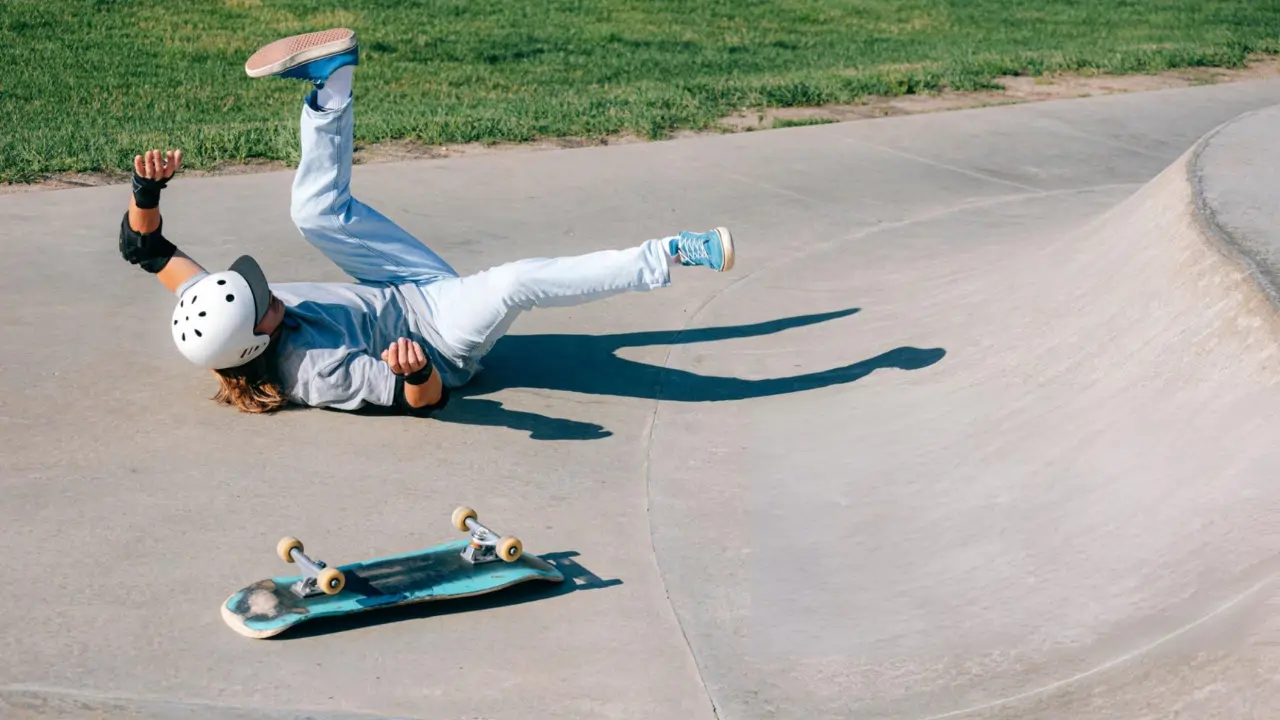
We’ve all had those moments on our boards, wobbling around and wondering how to get a grip on things. It’s easy to trip up with beginner errors, especially when balance issues and foot placement come into play.
Let’s chat about some skateboarding tips that will help you glide with confidence.
If balance issues feel tricky, spending time on flat surfaces can make a world of difference.
This practice allows you to really connect with your board.
Visualization techniques are also a game-changer; picture yourself cruising smoothly. With a bit of time and practice, you can master skateboarding tips to overcome beginner errors, balance issues, foot placement, and board control.
Here is a summary table for you!
| Mistake | Description | How to Fix It |
|---|---|---|
| Placing Feet Incorrectly | Beginners often place their feet too close together or too far apart, making it harder to balance. | Keep your front foot near the front bolts and your back foot on the tail for better control. Practice standing on the board before moving. |
| Leaning Too Far Forward or Backward | Causes loss of balance and frequent falls, especially when pushing or turning. | Keep your weight centered over the board. Bend your knees slightly and distribute weight evenly. |
| Not Bending Knees | Stiff legs make it harder to absorb impact and maintain stability. | Always keep knees slightly bent to absorb shocks and maintain balance. |
| Pushing with the Front Foot (“Mongo Pushing”) | Many beginners push with their front foot instead of the back, leading to instability. | Push with your back foot while keeping your front foot steady on the board. This improves balance and control. |
| Looking Down Instead of Forward | Leads to poor balance and difficulty steering. | Focus on where you’re going instead of looking at your feet. This improves awareness and reaction time. |
| Using Arms Poorly for Balance | Some beginners keep their arms stiff or don’t use them at all. | Keep arms loose and use them naturally to balance while riding. |
| Jumping Off Instead of Rolling Away | Many beginners step off when they feel unstable instead of rolling away. | If losing balance, try rolling away or crouching to stabilize instead of stepping off suddenly. |
| Not Committing to Tricks | Fear causes hesitation, leading to bailing out mid-trick. | Build confidence by practicing each step slowly and using safety gear to reduce fear. |
| Overturning When Carving | Sharp turns cause loss of balance and potential falls. | Apply gentle pressure with toes or heels instead of making sudden, exaggerated movements. |
| Skipping Safety Gear | Many beginners don’t wear helmets or pads, increasing injury risk. | Always wear a helmet, knee pads, and wrist guards to prevent serious injuries. |
| Kicking the Board Away During an Ollie | Instead of popping the board correctly, some beginners kick it away mid-air. | Keep the back foot steady and guide the board with your front foot. Focus on jumping straight up. |
| Not Practicing Balance Off the Board | Poor balance makes tricks and riding harder. | Practice balancing on one foot, use a balance board, or try standing on the skateboard on grass or carpet. |
| Skating Too Fast Too Soon | Beginners often ride too fast before mastering control. | Start slow, get comfortable with basic movement, then gradually increase speed. |
| Ignoring Proper Stance (Goofy vs. Regular) | Some beginners struggle because they haven’t identified their natural stance. | Try both goofy (right foot forward) and regular (left foot forward) to see which feels more natural. |
| Not Practicing Stopping Techniques | Many beginners don’t know how to stop properly and end up falling. | Learn and practice different stopping methods like foot braking, carving, and power sliding. |
| Using the Wrong Skateboard Setup | Cheap or incorrectly sized skateboards make learning harder. | Choose a good-quality skateboard with proper deck size, trucks, and wheels suited for beginners. |
| Ignoring Maintenance | Loose bolts, dirty bearings, or worn-out grip tape can make skating unsafe. | Regularly check and clean bearings, tighten trucks if needed, and replace grip tape when necessary. |
| Not Warming Up Before Skating | Cold muscles increase the risk of injury. | Do dynamic stretches and basic balance drills before starting your session. |
| Trying Advanced Tricks Too Soon | Attempting kickflips or big gaps before mastering basics leads to frustration and injury. | Master the fundamentals like pushing, turning, and ollies before progressing to advanced tricks. |
Identifying Common Beginner Errors In Skateboarding
Stepping onto a skateboard can feel like a whirlwind of excitement and nerves. It’s not uncommon for newcomers to miss a few key moves along the way.
The journey has its learning curve, and getting the fundamentals right is what’ll keep you rolling smoothly.
Many folks rush through the initial stages, skipping over vital aspects like foot placement.
If your feet aren’t set up correctly, it can really mess with your balance and control. Plus, not bending your knees can lead to some wobbly situations; it restricts your ability to absorb the shocks from the ride.
So, how do you tackle these common hiccups? Take a step back and think about where you struggle the most. Asking for feedback from friends or instructors can really speed up your progress.
Let’s dive into a couple of those beginner errors and explore how the learning curve, ollie technique, safety gear, push technique, and falling safely can make a significant difference in your skateboarding journey.
.
Tips For Improving Your Foot Placement
Getting your foot position just right can totally transform the way you skate. Think of it this way: mastering your stance sets the foundation for any trick progression you want to tackle.
For instance, when going for a kickflip, place your back foot firmly on the tail while your front foot should rest just above the bolts, giving you the control you need.
And hey, don’t forget about your riding stance! Knowing if you’re regular or goofy can really enhance your overall balance and help you tackle those tougher moves.
Practice Makes Perfect: To really hone that foot placement, setup some repetition drills that focus solely on this aspect. A little trick progression here can make a world of difference. Use a mirror or record yourself to see what tricks you can improve on, including your progression with riding stance, frontside turns, backside turns, and how you adhere to skate park etiquette.
Overcoming Balance Issues On The Board
Skating can feel like a wild ride at times, especially when it comes to finding your footing. Getting the basics down is key; it’s all about feeling at ease with your board.
A frequent issue for skaters is that they tend to shift their weight too much, which can lead to common falls and wobbly rides.
With just a few tweaks, you can dodge these pitfalls.
Pay close attention to your foot placement on the grip tape, as it significantly impacts your control. Having a steady stance is a game changer for speed management and staying on the board, so getting into a solid practice routine is important for improvement.
Try out some slow rides and carving to build your skills. These exercises not only boost your confidence in managing common falls, but also improve your speed management and practice routines by reinforcing the fundamentals and enhancing your grip tape skills.
Essential Safety Gear For New Skaters
Before you roll out, let’s dive into some gear that will keep you secure as you embark on your skating adventure. Having the right equipment can significantly boost your confidence while you explore board length and balance.
Your first priority is a helmet, which serves as your trusty companion in preventing head injuries.
Make sure it fits snugly without being too tight or uncomfortable.
Next, don’t skip on knee and elbow pads; they’ll help cushion those falls and scrapes that come with practicing landing techniques. Wrist guards are also a smart option to shield against fractures, especially when you’re perfecting those tricks. And let’s not forget about skate shoes; a good pair with the right wheel hardness can really enhance your grip, making stability a lot easier as you navigate your ride, especially when considering factors like axle width, board length, landing technique, and pivoting.
Skating Safety Gear
- Wearing a helmet can reduce the risk of head injuries by up to 85%.
- Knee and elbow pads can significantly decrease the severity of injuries during falls.
- Wrist guards are effective in preventing fractures, especially for beginner skaters learning tricks.
- Skate shoes designed for skating improve grip and stability, enhancing overall performance.
Mastering The Ollie Technique For Progression

Mastering a new trick feels like unlocking a whole new level of fun on your board. For skateboarders, jumping without grabbing the board opens up a world of possibilities.
Once you nail this move, you’ll find your street skating skills blossoming with a variety of other tricks waiting for you to explore.
Key components of a solid jump are vital for hitting that sweet spot.
Pay attention to foot placement, the pop of your tail, and dragging your back foot up to maximize the lift.
Picture this as a trick breakdown: timing and technique should be your best friends as you get the hang of it!
New skaters often trip up on common issues like misaligned feet or loss of board control. Practicing with a buddy or pumping together can help improve your trick breakdown, kickturns, and street skating skills while minimizing the risk of injuries.
Understanding Push Technique To Gain Speed
Mastering the basics of your skate push can really kick your game up a notch. It’s all about positioning your feet correctly to maximize your speed.
With your back foot planted firmly on the tail, you’re set to deliver that strong push, while your pushing foot needs to stay steady and precise for confidence building.
Rhythm plays a significant role here; finding your groove can turn a bumpy ride into a smooth glide.
Incorporating some fun drills into your practice routine will help you build skills quickly. Plus, there’s nothing quite like hitting the pavement with friends to make the whole experience even more enjoyable, as we share in confidence-building exercises, troubleshoot challenges, practice drills, and encourage each other’s self-correction within our vibrant community.
How To Fall Safely And Avoid Injuries
When you’re cruising on a skateboard, the reality is that tumbles will happen, but it doesn’t have to be a pain-filled experience; embracing the right techniques can make a huge difference in how you handle those spills. The aim here is to learn how to deal with falls in a way that protects your body and keeps you rolling.
There’s a common myth that the best approach is to fight against the fall, but actually, going with the flow can help you avoid a lot of discomfort.
And hey, gear up with protective equipment choices—it’s part of the skate culture that encourages learning through every wipeout.
As you get more comfortable, pay attention to how you position your body when things go sideways. A good roll can keep you safe on the road despite age considerations, myths, equipment choices, and cultural differences.

Coaching Techniques For Building Confidence In Skating
Confidence on a skateboard blends mindset with technique. It’s easy to let anxiety overtake your thoughts, making even simple moves feel like a mountain to climb.
Coaches play a pivotal role in helping skaters reshape those negative narratives into positive ones, building their spirits with uplifting affirmations.
A little encouragement can do wonders when enhancing coordination skills and fostering a love for the sport.
Shifting our perspective can turn those nerves into a thrilling eagerness for whatever’s next on the skate agenda.
Setting small, manageable goals should be the starting point. For instance, nailing a basic ollie creates a sturdy base for tackling more advanced tricks down the line.
These short-term milestones not only set you up for long-term success but also significantly boost confidence with each accomplishment.
Creating a positive atmosphere is crucial.
Conclusion
Every ride on your skateboard offers a chance to reflect on your growth and progress. Embrace the ups and downs as they contribute to your unique journey.
As you tackle new tricks or refine your mental approach, keep in mind that improvement unfolds over time.
Staying engaged with your visual focus during practice is key, and make sure to explore the learning resources available to you.
Each small victory deserves recognition, so take a moment to celebrate your achievements, no matter how minor they seem. Keep your motivation strategies close to heart, as they will guide you through tougher days. So, how do you plan to leverage these insights to face your next challenges on the board using visual focus, a strong mental approach, and effective motivation strategies while utilizing available learning resources?.
Originally posted 2025-02-09 18:30:00.