
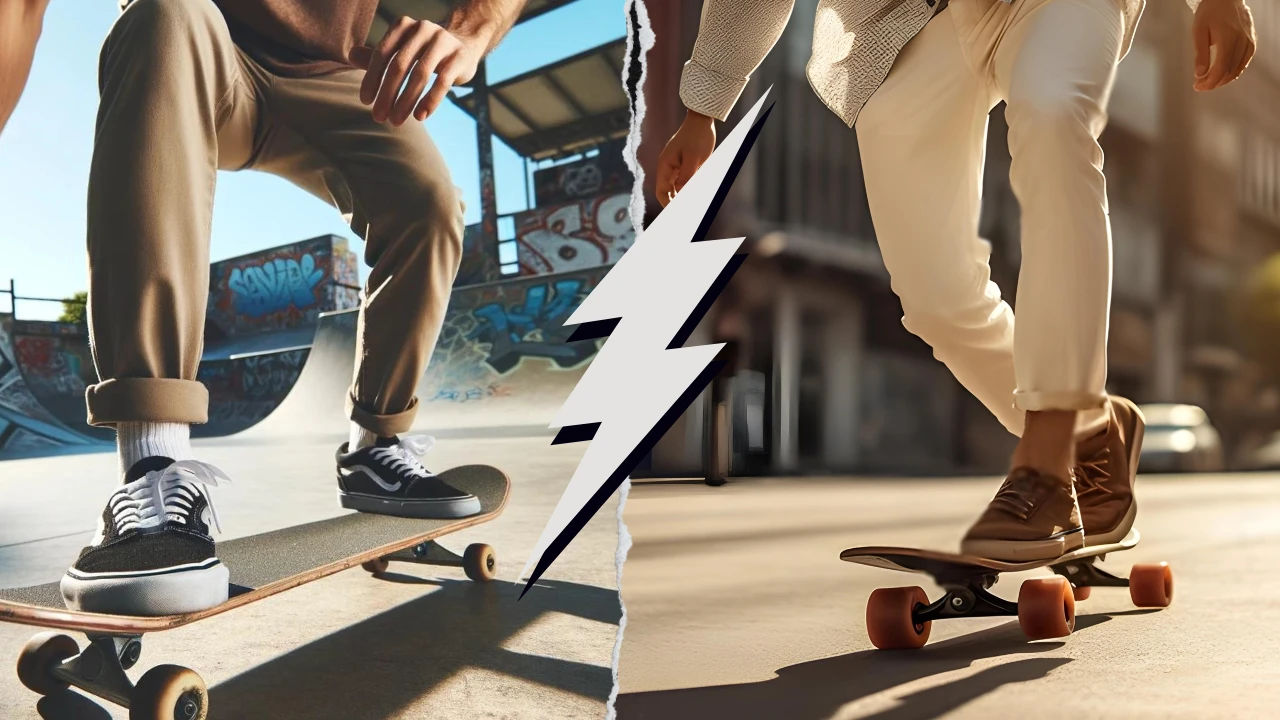
Getting your footing right on a skateboard can be a bit tricky at first, but it’s all part of the fun! Your foot positioning is super important for maintaining balance and control on the board. Aim to keep your feet shoulder-width apart; this gives you a solid foundation to work with.
A little bend in your knees is a smart move too—this posture adjustment helps absorb bumps and keeps you steady as you ride.
With a bit of practice, you’ll notice that balance starts to feel natural, making those riding techniques even smoother. Just relax and enjoy every moment on your board, focusing on your skateboard stance, foot positioning, balance, riding techniques, and posture adjustment along the way!.
Understanding Skateboard Stance Basics

Getting your feet positioned just right can really make a difference in your ride. Your stance plays a significant role in how well you perform tricks and maintain your balance on the board.
When we talk about stance, we’re diving into how your feet sit on the grip tape, impacting your overall control and stability.
Finding the right setup can take your skating to the next level.
There are two main configurations: the regular setup, where your left foot leads, and the goofy stance, which is when your right foot is forward.
Figuring out which one feels the most comfortable can truly transform your experience on the deck placement.
Foot placement is crucial. Make sure your feet rest comfortably, providing a solid foundation for an ollie when the moment calls, as proper deck placement, grip tape grip, and effective push technique are crucial for optimal board control.
Importance Of Foot Positioning
Your stance can make a huge difference when you’re out skating. It affects everything from trick execution to how steady you feel on your board.
By nailing down proper foot placement, you can achieve better weight distribution, which helps you roll smoothly over various terrains.
If you’re still finding your rhythm, adjusting your stance can really boost your confidence.
The way you position your front foot is particularly important, especially before attempting tricks like ollies or kickflips. Making a few minor adjustments can transform your experience on the board!
Building from what we covered about skateboard stance basics, remember that experimenting with your foot position is key.
It’s all about finding what feels right for you. Different skaters may prefer varying degrees of foot weight distribution for optimal rolling, trick execution, kickturns, and front foot placement.
| Aspect of Skateboarding | Importance |
|---|---|
| Foot Placement | Affects trick execution and stability on the board |
| Weight Distribution | Ensures smooth rolling over various terrains |
| Front Foot Position | Crucial for performing tricks like ollies and kickflips |
| Experimentation | Helps find the most comfortable and effective stance |
How To Achieve Balance On A Skateboard

Getting the hang of how to stay upright on your board feels like a game-changer. It’s all about finding that sweet spot and nailing your body alignment.
Think back to your first time riding; wasn’t it a mix of thrill and wobble? Achieving smooth stability is a game of fine-tuning.
Keeping your knees bent will give you the stability needed to react to any little bumps or shifts along the way.
Practice on a flat surface, paying close attention to your back foot positioning—it’s pivotal for maintaining that control. The more you can master this, the more fluid your ride will become!
Now, moving from foot positioning, let’s dive into some essential riding techniques for beginners.
Essential Riding Techniques For Beginners
Riding a skateboard is a thrilling experience, and getting started can seem a bit tricky. Let’s dive right into one of the first things you need to figure out: your stance.
Are you regular with your left foot forward or goofy with your right foot leading? Finding your stance plays a big role in how comfortable and balanced you feel while carving down the street.
Once you know where your feet should be, you can focus on maintaining control as you ride.
Next up is learning to push off with confidence. Start by getting familiar with the rhythm using your back foot; it’s all about feeling that gentle push as you gain momentum.
Once you’ve got the hang of it, practice making those smooth turns while carving. This skill not only enhances your ride but also lets you navigate carving techniques, smoothly transition between heelside and toeside turns, and execute manual landings.
Tips For Posture Adjustment While Skating
Skating is all about feeling good on your board, and your stance plays a massive role in that. It’s not just about how you look while cruising; a proper stance helps you maintain balance and land those sick tricks.
Start with your feet shoulder-width apart for solid stability.
This spacing helps with momentum, letting you flow smoothly over bumps.
If you’re into street skating, don’t hesitate to play around with foot placement until you find what clicks for you.
Keeping things loose is the next step. Loosen your knees and shoulders; it allows you to react better to the board’s movements.
A relaxed upper body and slightly bent arms give you the control you need, making your rides smoother. Adjusting your posture can really boost your skating abilities, making each session enjoyable and full of momentum, allowing you to master trick tips and confidently tackle both street and vert skating while prioritizing safety gear.
Deck Placement For Optimal Control
Finding the right spot to place your deck can seriously enhance your skating experience. It’s about achieving that ideal balance and stability that feels just right.
Getting that placement dialed in is super important because it really affects your control systems while riding.
Whether you’re cruising down the street or attempting new tricks, the right setup makes a huge difference.
Adjusting your foot angles can help improve your muscle memory, which leads to smoother maneuvers. So, don’t be shy about experimenting with your deck position based on your riding style and the terrain you’re hitting.
Finding Your Sweet Spot starts with tailoring your setup to fit your personal style.
Every skater is unique, so listen to your instincts regarding comfort. Feel free to adjust your deck placement to enhance your muscle memory and fundamentals by considering your foot angles and control systems during exercises.
Deck Placement in Skating
- Proper deck placement enhances overall stability and control while skating.
- Adjusting foot angles can significantly improve muscle memory, leading to smoother maneuvers.
- Customizing your setup based on personal comfort can enhance your skating experience.
- Experimenting with deck position allows skaters to adapt to different terrains and riding styles.
Mastering Front Foot Placement For Tricks

The right foot positioning can completely transform your trick performance on the board. Achieving balance and control is key, and even a tiny adjustment can give you the confidence to tackle new moves.
Within skate culture, mastering where you place your feet is essential for linking tricks smoothly, whether you’re riding ramps or cruising through parks.
For instance, your foot placement directly influences your pop and landing, making precision critical for freestyle tricks.
Experimenting with your stance can unlock better performance and help define your style.
Foot placement is about more than just where you set your foot; it’s all about feeling connected to your board. A solid grip can elevate your game, giving you the control needed to nail flips or spins seamlessly. Practice is paramount, so try to incorporate tips for mastering freestyle tricks at your local ramps and parks.
Safety Gear For Injury Prevention
Your well-being should be front and center, especially when you’re mastering your skills at the skatepark. Think of your gear like the trusty wheels on your board; it’s what keeps you rolling smoothly and helps you avoid those nasty spills.
When you’re decked out in the right equipment, it boosts your confidence to tackle those tricky turns and perhaps even nail that new trick you’ve been eyeing.
Helmets are your first line of defense, cradling your noggin when things don’t go as planned.
A snug fit is important, so ensure it wraps comfortably around your physique. And don’t forget about wrist guards—they’re true lifesavers during those inevitable wipeouts.
Having the right gear allows you to focus on your skills without any distractions.
Understanding the relationship between the wheels, axle width, turning mechanics, and physique taught us valuable lessons in engineering design.

| Safety Gear | Importance |
|---|---|
| Helmets | First line of defense against head injuries |
| Wrist Guards | Protects wrists during falls |
| Proper Fit | Ensures maximum protection and comfort |
| Confidence Boost | Allows focus on skills and tricks |
Conclusion
It’s important to take a moment to reflect on how your stance affects your overall experience on the board. Achieving proper balance is key to enhancing your performance, so focus on those consistent drills to help you master each technique.
Pay attention to your posture; it can make all the difference in how you ride.
Staying relaxed is essential, as it allows for better mobility and smoother movements.
Don’t overlook the importance of equipment maintenance; a well-maintained board can significantly boost your riding experience. Whether you’re cruising down the street or trying out new tricks, continually evaluate and adjust your stance. Each session offers a new opportunity to improve, so embrace the journey and enjoy every moment by incorporating balance board drills and focusing on equipment maintenance to enhance your performance and mobility.
Originally posted 2025-01-14 05:58:52.